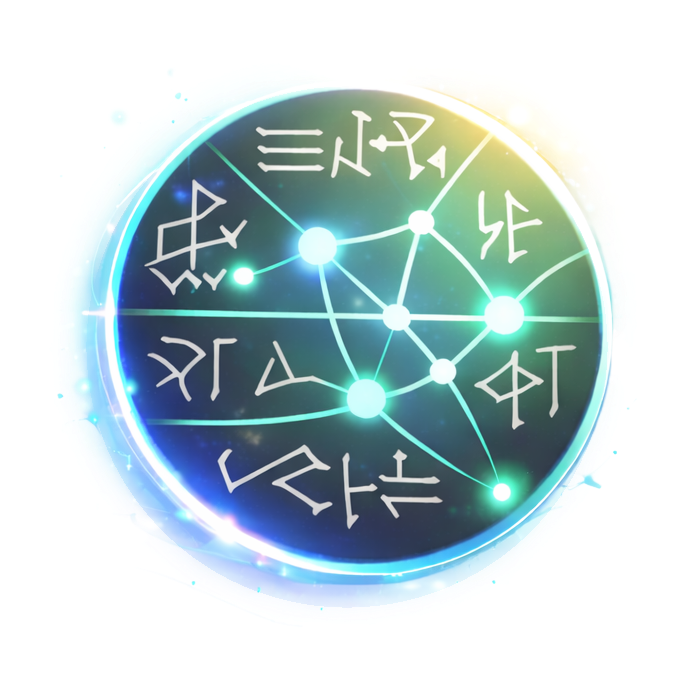
The journey of human knowledge began with a profound innovation: the translation of abstract thought into physical symbols. The pressing of a reed stylus into soft clay marked the birth of a formalized logic system, a methodology for structuring information that allowed civilizations to scale. Today, we stand at the precipice of a similar translation, moving not from speech to clay, but from human cognition to the complex neural networks of machine learning.
Mapping ancient logic to modern computational architectures reveals startling parallels. The earliest lexicons and syntactic rules established by Mesopotamian scholars resemble the foundational parameters of today's Large Language Models. Both systems rely on pattern recognition, contextual association, and the structured aggregation of vast amounts of data. The clay tablet was the first immutable ledger; the neural network is the dynamic, self-evolving successor.
At Nabux AI, we study these ancient systems of organization to inform our modern algorithms. We understand that the architecture of a robust AI must mimic the architecture of enduring knowledge. It requires a hierarchy of truth, a mechanism for validation, and a structured vocabulary. By treating our training data as a modern archaeological dig, we carefully excavate meaning, ensuring our models learn not just words, but the fundamental logic that binds them.
This transition from clay to code is an ongoing metamorphosis. While the medium has shifted from the tangible earth to the intangible cloud, the objective remains the same: the mastery of information. Our neural networks are designed to be as resilient as the fired tablets that survived the collapse of empires. We build systems that are not just intelligent, but wise—capable of long-term reasoning and deep, contextual understanding.
In embracing this deep historical perspective, we ensure that our AI solutions are not fleeting novelties. They are built on the bedrock of human intellectual achievement. From the ziggurats of old to the server farms of today, the quest to encode reality continues, and we are proud to be the architects of this new, digital cuneiform.